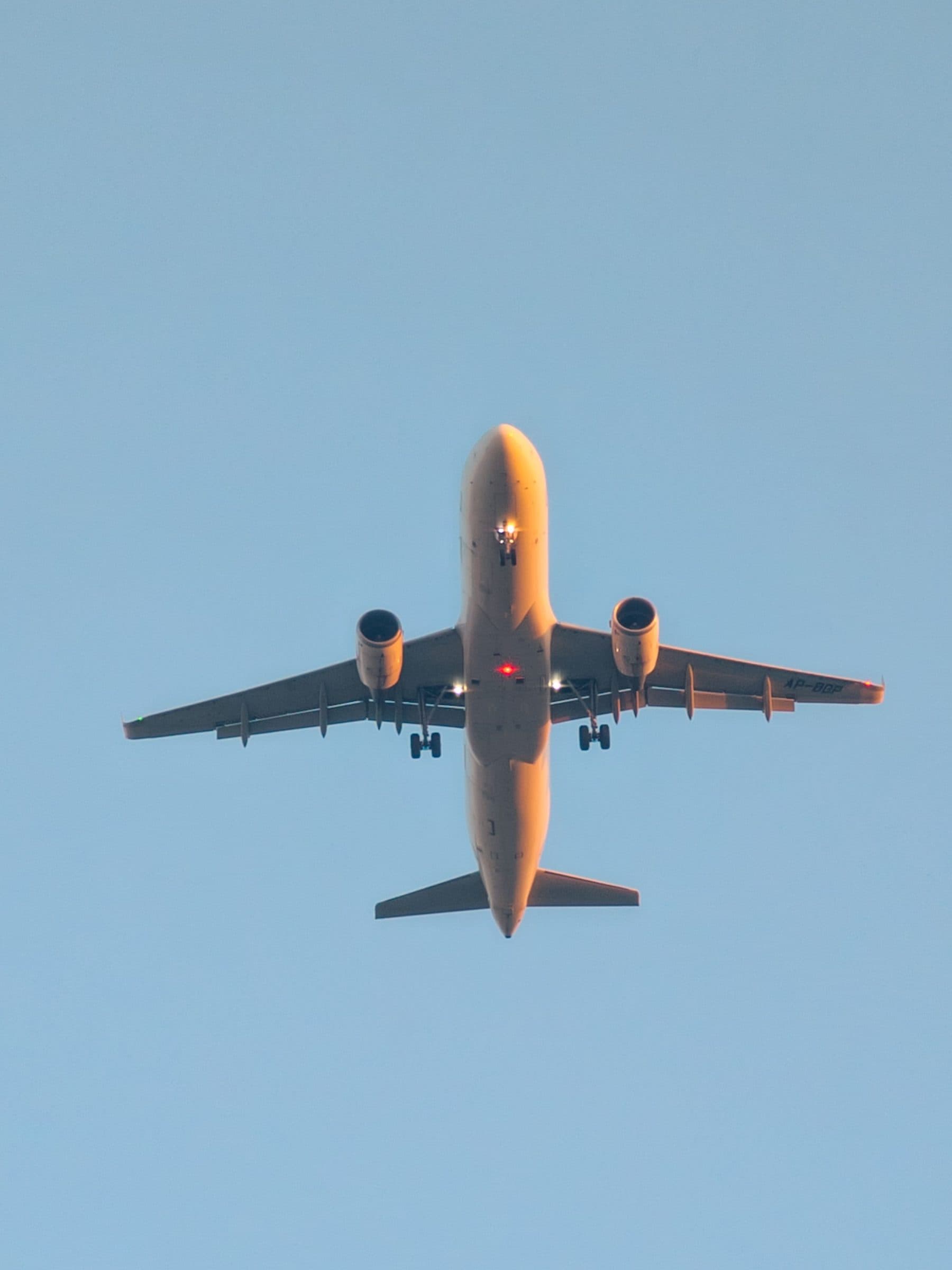
Aviation is as fascinating as it is innovative, producing some of the greatest feats of human ingenuity and creativity. Within a hundred years since its takeoff, the aviation industry has allowed humans to travel faster than the speed of sound, far above the highest mountains, and to reduce the distance between continents to a matter of hours. It’s basically time travel. This is the view most aviation enthusiasts have, but the flight has not been without turbulence.
The Global Aviation Industry
Aviation is notoriously capital-intensive. Whether it's asset acquisition or flight training, everything in aviation is expensive (and for good reasons, too). Aircraft are complex machines with various redundancies and cutting-edge technologies, so it only makes sense that owning and operating them is expensive. The safety standards for aircraft are the second-highest in the world (only behind nuclear engineering), so the training for pilots, engineers, and other aviators is very rigorous.
Aviation in Nigeria
With all these points, how does being a Nigerian make a difference? Besides the limitations of our Nigerian passports, being in Nigeria rather than being a Nigerian is the game-changer. Nigeria has a fertile ground for aviation. Possessing a large population with a strong demand for travel between states that are hundreds of kilometres apart, the demand for aviation practically creates itself. But there's a catch.
Whether you're flying from London to Paris or Lagos to Abuja, you’ll still fly the same aeroplane, hire pilots and engineers with the same training and buy the same fuel from the same international market that is heavily affected by geopolitical tensions. This, in itself, presents a huge problem. Flying is expensive, but in a country where a 45-minute economy flight can cost twice the monthly minimum wage, a large majority of Nigerians can only dream of flying.
The Nigerian Aviators
But that is on the consumer side; what about the professionals? Let’s say you’ve decided to become an airline pilot. You check for the cheapest option (as most of us do), and it turns out to be the Nigerian College of Aviation Technology (NCAT). The standard pilots course and Airline Transport Pilot (ATP) course cost a combined ₦45.6m. It comes with some perks and is a one-time payment, but how many Nigerians can afford to pay that amount at once (or even in their lifetime)? Let’s say you somehow found funding and finally completed the training: buckle up, your worries aren’t over yet.
A type rating is a certification to fly a particular aircraft type and can cost up to $10,000, depending on the aircraft type. Usually, the airline does the training for you, but the facilities for such training aren’t in Nigeria, so you'll have to go abroad, at an additional cost. Most airlines in Nigeria aren’t willing to go that far, so they expect the prospective pilots to complete the training with their personal funds. And even after all of that, there’s still the cost of the minimum flight hours required before you can fly certain aircraft (trust me, you don’t want to know).
But who really wants to be a pilot anyway? Why can’t you just be an aeronautical engineer? Unfortunately, there is no aircraft production in Nigeria. The only engineering roles available are in aircraft maintenance engineering. These engineers don’t really fare better than the pilots. Even though training costs are much less, engineers still struggle to find jobs. Airlines typically prefer type-rated engineers because this eliminates the cost of training. Still, non-type-rated engineers who have just finished school need actual maintenance experience to apply for a licence and obtain a type rating. This leads them to accept any opportunity they see. A form of internship called ‘On-the-Job-Training’ (OJT) exists for this purpose. Engineers doing OJT with an airline often go unpaid for months and may work late hours, including nights and weekends, just to secure employment with the airline. A similar story can be told for other aviators, whether cabin crew, flight dispatchers or aviation managers.
The Nigerian Airlines
“They delayed my flight for no reason!” “They cancelled my flight!” These are common expressions used when talking about Nigerian Airlines. But are the airlines just greedy, and do they not care about their passengers? Running an airline in any country is difficult. The average operating profit margin for airlines in 2025 was around 6.7%. Even the world’s most profitable airline, Emirates, only made up to 17% in May. Airlines are one of the hardest businesses to run for many reasons. The airlines’ main product, a seat on the aircraft to fly from one point to another, is highly perishable and loses its value the moment the aircraft leaves the airport gate. The highest cost to an airline is jet fuel, which can account for 25-28% of its expenses. Meanwhile, oil prices continue to fluctuate with no signs of settling.
Up until recently, Nigerian airlines could not access aircraft dry leases (basically renting the aircraft and nothing else) and had to resort to wet leases (paying for the aircraft lease, crew, maintenance and insurance). This was very uneconomical and left Nigerian airlines at the mercy of the lessors. Infrastructure is also a problem for the airlines. The aircraft maintenance organisations in Nigeria do not cater to every aircraft being flown in the country. Airlines operating a niche sub-fleet of aircraft have to take them abroad when due for maintenance, which comes with its own hurdles.
Clear Skies Ahead?
All these issues, coexisting within the same ecosystem, make working in aviation difficult in Nigeria. It’s a brutal game, but it isn’t a lost one. There hasn’t been a fatal commercial airline crash in Nigeria in 14 years, which speaks to the professionalism of the Nigerian aviation industry and the strict safety standards of the regulatory authorities, such as FAAN and NCAA. The government has also invested ₦712 billion in renovating Nigeria's busiest airport, the Murtala Muhammed International Airport. Airlines such as Air Peace and Ibom Air have invested significantly in maintenance facilities within the country12, creating not only more jobs for Nigerians but also potentially lowering operating costs for other airlines.
The emergence of new state-owned airlines such as Enugu Air (Enugu State), Cally Air (Cross River State), Gateway Air (Ogun State), Caliphate Air (Sokoto State), and others signals that Nigeria's operational environment is becoming more conducive to aviation operations. In addition, new flight routes were launched, such as Lagos to London Gatwick (Air Peace), Lagos to the Caribbean (Air Peace), Ogun State to Abuja (Gateway Air), and Lagos to Abu Dhabi (Etihad Airways). This not only gives Nigerians more travel options but also tends to reduce fares.
Aviation is a difficult industry to run. Being in Nigeria may make it more difficult, but it doesn’t make it impossible. There is hope ahead. The government is paying more attention, the airlines are investing more, and Nigerian aviation is being recognised and respected globally. Although it’s a long trip ahead with a lot of turbulence, we can still appreciate the current efforts towards a more robust aviation industry.