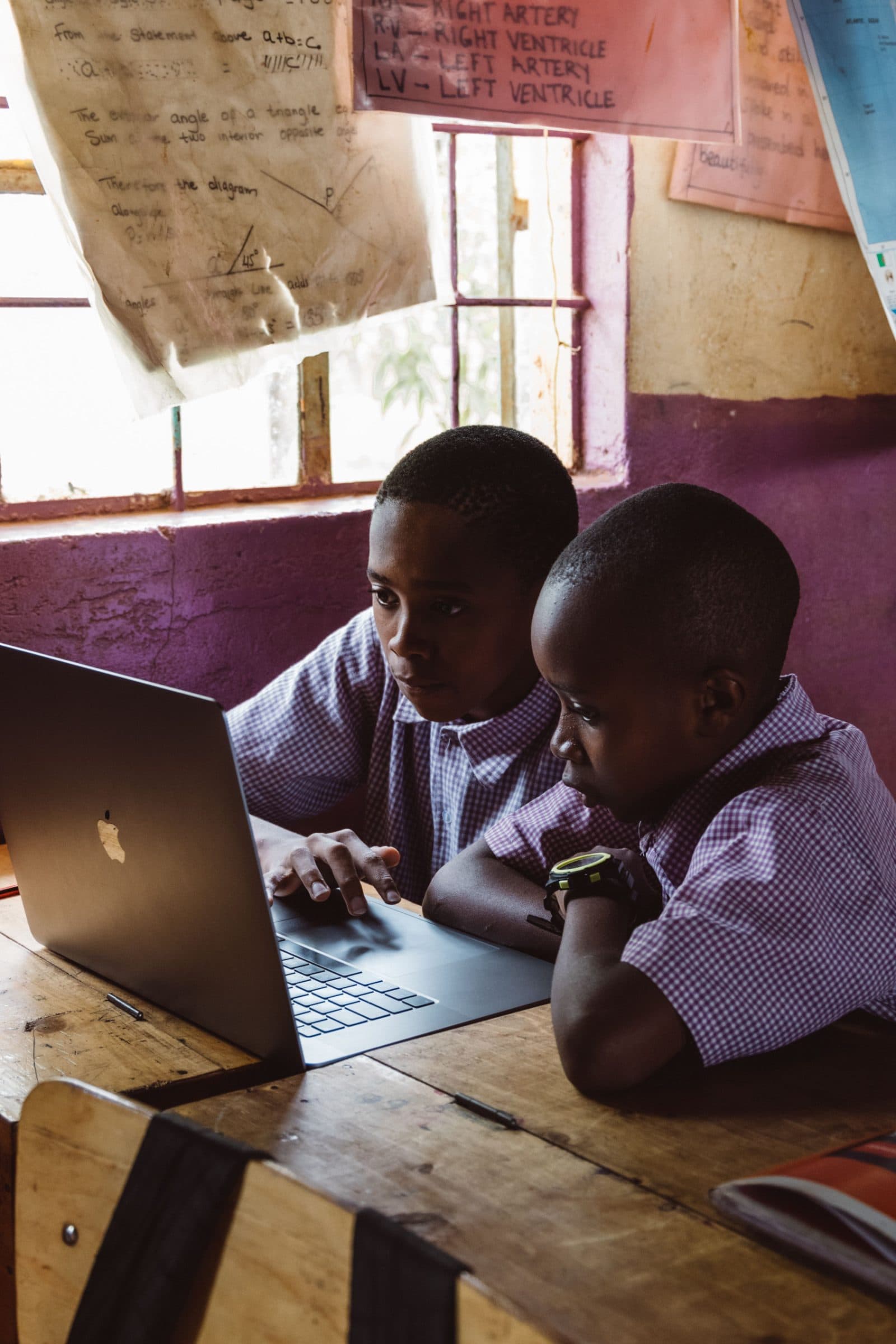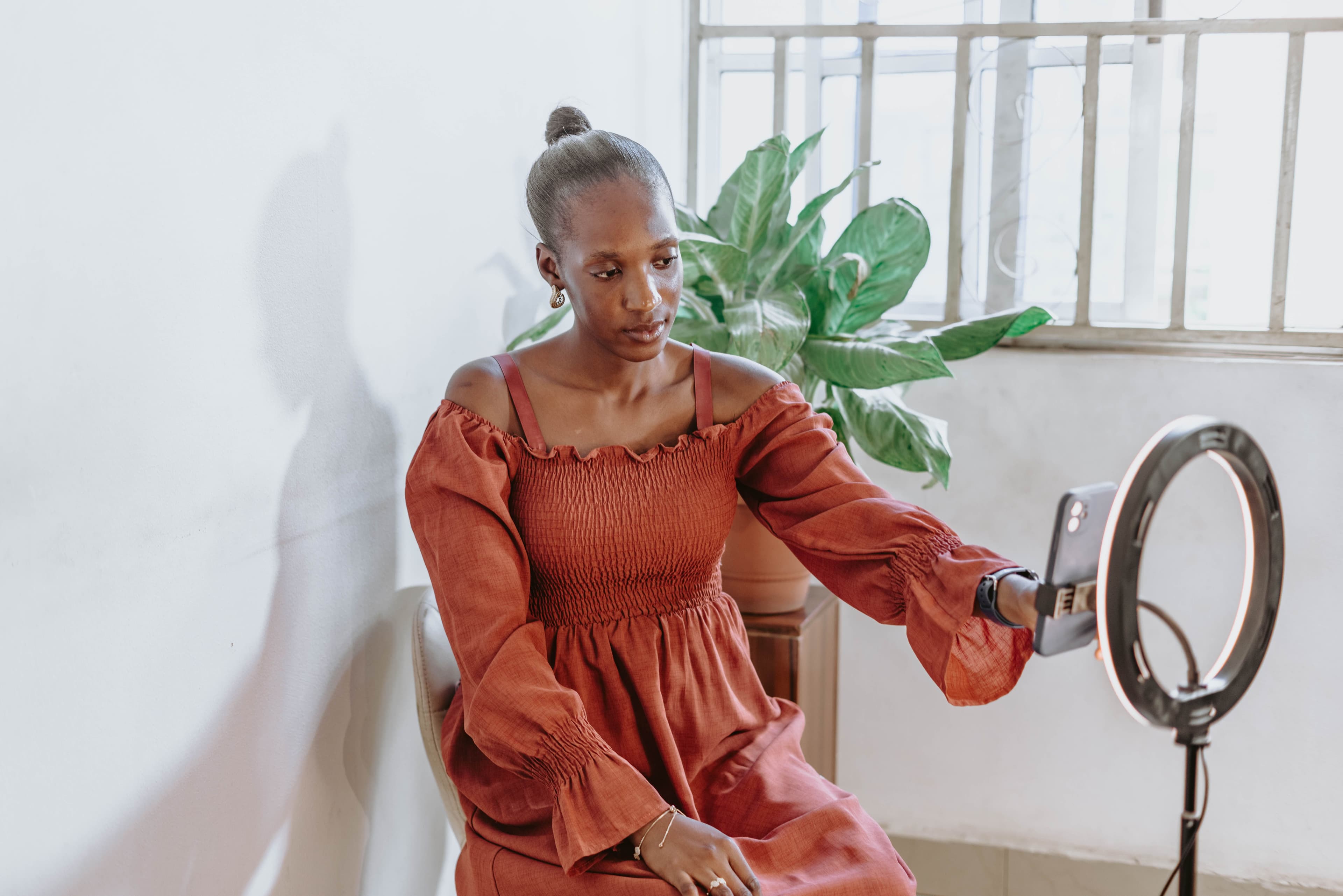
“I don't know how to go about this.”
I have heard variations of this many times while working with young people and digital creative skills.
At first, it sounds like a simple technical problem: someone does not know which tool to use, or how to turn an idea into a finished design.
But there is usually more to the process.
A young person may start with a vague idea, struggle to put it into words, then discover that a visual can communicate what words could not. The creative process requires choices about colour, images, layout or movement. They consider how the final piece might look to someone else. With guidance, experimentation and room to make mistakes, the idea eventually becomes a poster, a graphic, a video or another form of media.
The software is only part of what the process teaches. It also requires thought about meaning, audience and expression.
We often talk about digital skills as though they are primarily technical: knowing how to use a design application, edit a video, create a presentation.
But what happens when those skills become a means of communication?
A young person who creates a poster is not only learning design but also deciding what deserves attention and how to present it.
Video creation is not only about editing. It also involves decisions about what to show, what to leave out and how to hold an audience's attention.
The technical skill matters. Yet, what they do with it may matter even more. A graphic designer might know just how to create an attractive visual, but also needs to understand what the design is meant to communicate and who it is meant to reach. Likewise, a video creator may know how to edit footage, but must also consider which moments tell the story effectively and why an audience should care. Similarly, someone creating a presentation is not simply arranging text and images; they decide how the information should be structured so that an audience can understand and respond to it.
The desire to make money from creative work is understandable, especially for young people looking for opportunities in an increasingly digital economy. But when income becomes the primary measure of successful creative work, it can be easy to overlook the thinking behind what is produced. A creator may become focused on views, clients or sales without asking whether the work communicates clearly, reaches the right audience, represents people responsibly or contributes anything meaningful.
Young people already live in a media environment
This becomes particularly important when one realises that young creatives do not encounter digital media for the first time upon entering a creative programme.
They already have years of experience as audiences.
Most learners already have considerable familiarity with the platforms; they recognise patterns in what grabs attention, have favourite creators, and, through years of encountering diverse forms of online content, have developed an understanding of how individuals present themselves, tell stories, sell ideas, and communicate sentiments. They ought to draw on this experience as they begin to create their own media, particularly when considering what catches attention and what disappears from a feed.
More importantly, these creatives understand aspects of a shared media language.
When young creators also gain access to the skills and technologies that allow them to participate in that language, it changes things significantly.
A great deal of public discussion focuses on what young people consume: the amount of time they spend online, the content they encounter, the influence of social media, misinformation, harmful content and the wider effects of digital exposure.
Those concerns are valid; however, as we address this development, it is worth noting that media literacy does not stop at consumption.
If emerging creators question the content, narratives, and ideas they encounter online, perhaps it could help them think critically about the messages (content, narratives, and ideas) they produce.
This shift above raises a different set of questions, like:
What happens when a young person moves from “I saw this” to “I can make this”?
What happens when media stops being only for consumption and becomes a language for expression?
What role should education play in this transition?
Creation is not the same as empowerment
It would be easy to make this sound like a simple equation: give young people digital tools and watch them become empowered creators. Experience, however, shows that it is never that simple.
Access to a tool does not automatically produce creativity, critical thought or agency.
A young person can know how to use a design application without knowing what makes a message effective. Attractive content can still overlook representation, audience or consequence. A trend can also be reproduced without much thought about why it appeals in the first place.
In reality, education has a role beyond technical instruction.
The goal should not only be to teach young people how to make media, but to help them think about what they make, why they make it and how others might receive it. The distinction matters.
Because once a young person can create media, they are no longer only responding to what other people put in front of them. There is now a degree of control over what enters the environment.
The audience may be small, the work may never leave a classroom or workshop, and it may simply be a first attempt, yet there is still value in that shift.
This has made me think more carefully about what we mean by saying that a young person has “digital skills”.
Is it enough to know how to operate the tools?
Or should digital competence also include the ability to communicate an idea, recognise an audience, make informed creative choices and understand the media environment in which that idea will exist?
Perhaps the distinction between digital skills and education is not as clear as we sometimes make it.
A young person may enter a creative session to learn graphic design and leave with more than knowledge of a design application.
The experience may also strengthen their understanding of how an idea becomes a message.
It may also show them that they can contribute to the media environment rather than simply consume its content.
If young people already have a place within the media environment as consumers, what could education do to help them become more thoughtful, critical and capable creators within it?
Digital creative education should not only prepare young people to produce content or make money from their skills; it should prepare them to understand the value, responsibility and purpose behind what they create.