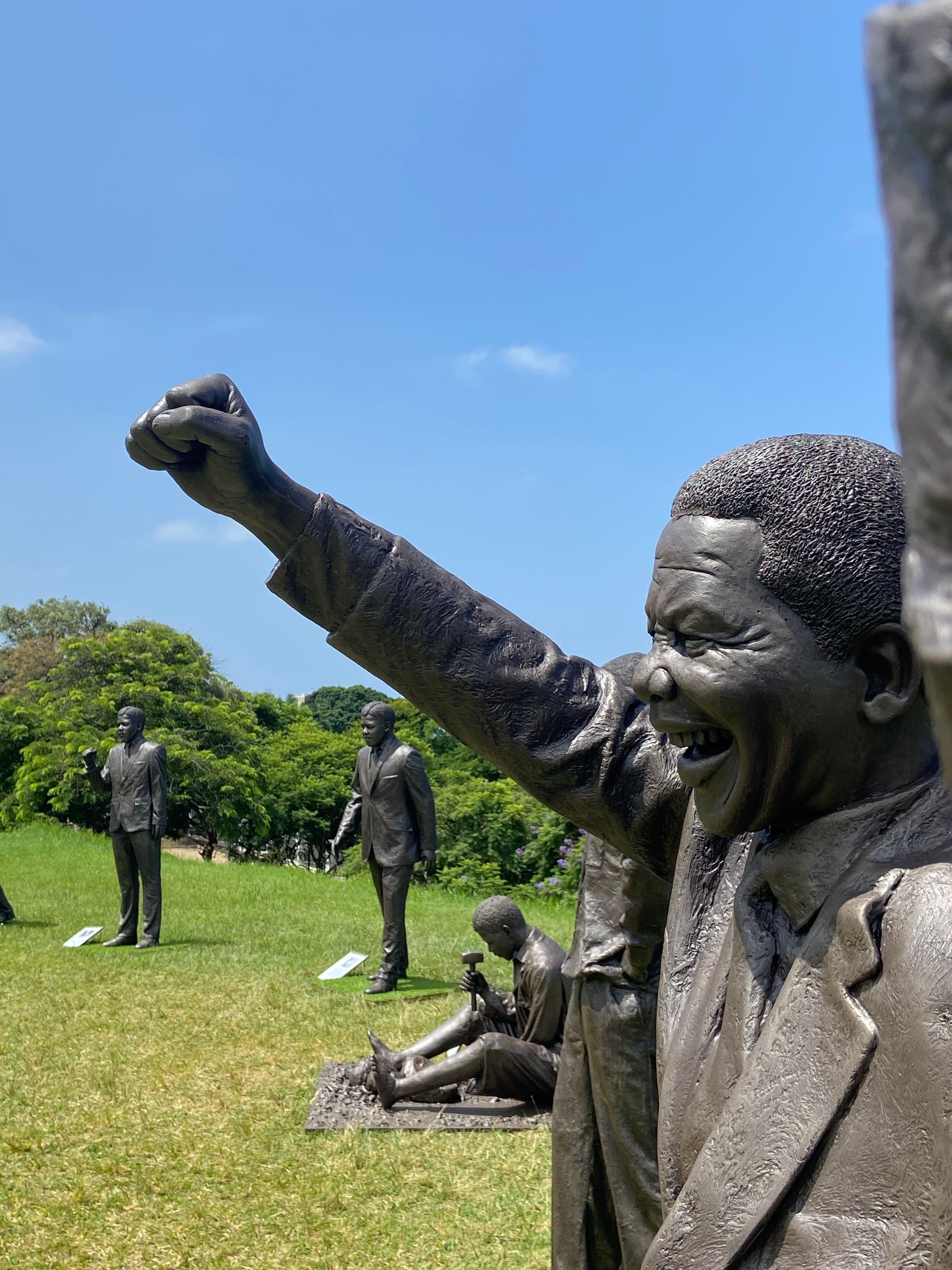
In today’s fast-paced world, leadership is often judged by quick results. While short-term wins attract attention, they rarely reflect the true value of leadership. Effective leaders are concerned not only with immediate outcomes but also with the legacy they build and how their decisions will shape the future.
This perspective is strongly supported by credible global research. Harvard Business Review consistently emphasises that strategic, long-term thinking is a defining capability of effective leaders, noting that leaders who focus on building enduring systems and culture outperform those who prioritise only immediate performance (Harvard Business Review, 2020–2023). Similarly, McKinsey & Company’s leadership research highlights that organisations led with long-term orientation are more likely to achieve sustained performance and resilience over time (McKinsey, 2021).
The Cost of Chasing Short-Term Wins
Winning is not the problem. The real question is whether those wins are sustainable.
An exclusive focus on short-term gains can deliver quick results, but it often comes with high long-term costs that weaken organisations and erode leadership credibility.
Lack of Trust
Trust is foundational to effective leadership. However, Gallup’s global workplace research consistently shows that trust in leadership remains fragile in many organisations, and that low trust is closely linked to disengagement and poor performance. Gallup reports that managers account for at least 70% of the variance in employee engagement, meaning leadership behaviour directly shapes whether employees feel psychologically safe and committed (Gallup, 2022).
When leaders prioritise immediate outcomes over people and integrity, trust declines, and long-term commitment weakens.
Higher Turnover and Replacement Costs
Leadership quality directly affects employee retention. According to Gallup, employees who feel disengaged or poorly managed are significantly more likely to leave their organisations. Gallup estimates that replacing an employee can cost between one-half and two times the employee’s annual salary, depending on role complexity (Gallup, 2021). This shows that short-term leadership approaches that neglect relationships and development can result in serious financial and human costs.
Drop in Productivity and Performance
Short-term wins often come at the expense of healthy systems and strong culture. Gallup’s State of the Global Workplace Report indicates that disengaged employees cost the global economy trillions of dollars in lost productivity annually. Organisations with highly engaged teams show 17% higher productivity and 21% higher profitability compared to those with low engagement (Gallup, 2022).
Leadership that prioritises quick results without investing in people inevitably undermines sustainable performance.
Weak Succession and Leadership Pipelines
A major risk of short-term leadership is neglecting to develop future leaders. Deloitte’s Global Human Capital Trends report reveals that only a small proportion of organisations feel confident in their leadership pipelines, with many reporting that they are not adequately prepared for future leadership transitions (Deloitte, 2020).
When leaders focus only on immediate metrics, mentorship, coaching, and long-term talent development suffer, leaving organisations vulnerable during transitions.
Declining Long-Term Strategic Gain
Another cost of chasing short-term wins is the erosion of long-term strategic impact. McKinsey research on organisational transformations shows that while many change initiatives achieve early progress, only about one-third sustain performance improvements over time. The most successful transformations are those anchored in long-term vision, culture change, and capability building, not quick fixes (McKinsey, 2021).
This underscores how fragile short-term success can be when it is not grounded in sustainable strategy.
Why Long-Term Legacy Matters More
Long-term legacy matters more than short-term wins because it creates impact that endures beyond temporary achievements. While short-term success is visible, lasting leadership is measured by the influence it continues to exert long after a leader’s tenure.
Sustainable Impact
Legacy-focused leaders build systems, values, and structures that continue delivering results over time. Research by McKinsey shows that companies with a strong long-term strategic orientation are more likely to outperform peers in revenue growth and organisational resilience over extended periods (McKinsey, 2021).
People Development
Effective leaders invest deeply in people. According to Gallup, organisations that prioritise leadership development and coaching experience have significantly higher engagement and retention. Employees who feel their managers actively support their growth are far more likely to stay and perform at higher levels (Gallup, 2022).
Trust and Credibility
Trust is built over time through consistency, integrity, and fairness. Harvard Business Review emphasises that leaders who demonstrate ethical consistency and long-term commitment build stronger credibility, which translates into higher employee loyalty and organisational stability (Harvard Business Review, 2020).
Cultural Influence
Short-term leadership often focuses on outputs rather than values. Long-term leadership, however, shapes culture. Deloitte’s research shows that organisations with strong, purpose-driven cultures significantly outperform those with weak cultures, especially during periods of uncertainty and change (Deloitte, 2020).
Legacy
The ultimate measure of leadership is not performance during a leader’s tenure but what remains afterwards. Legacy-driven leaders leave behind capable people, strong systems, and a healthy culture that continues to thrive long after they are gone.
Leadership is not measured by how much applause one receives today, but by the impact that remains tomorrow. Short-term wins may impress in the moment, but they fade quickly. Legacy, however, is built through structure, patience, consistency, and intentional investment in people and systems.
True leaders choose the harder path of long-term thinking and planning because they understand that the greatest measure of leadership is not what is achieved quickly, but what endures long after they are gone.
References
Deloitte. (2020). Global Human Capital Trends: The social enterprise at work.
Gallup. (2021). The true cost of bad managers and employee turnover.
Gallup. (2022). State of the Global Workplace Report.
Harvard Business Review. (2020–2023). Articles on leadership, trust, and long-term strategy.
McKinsey & Company. (2021). Organisational transformations and long-term performance research.