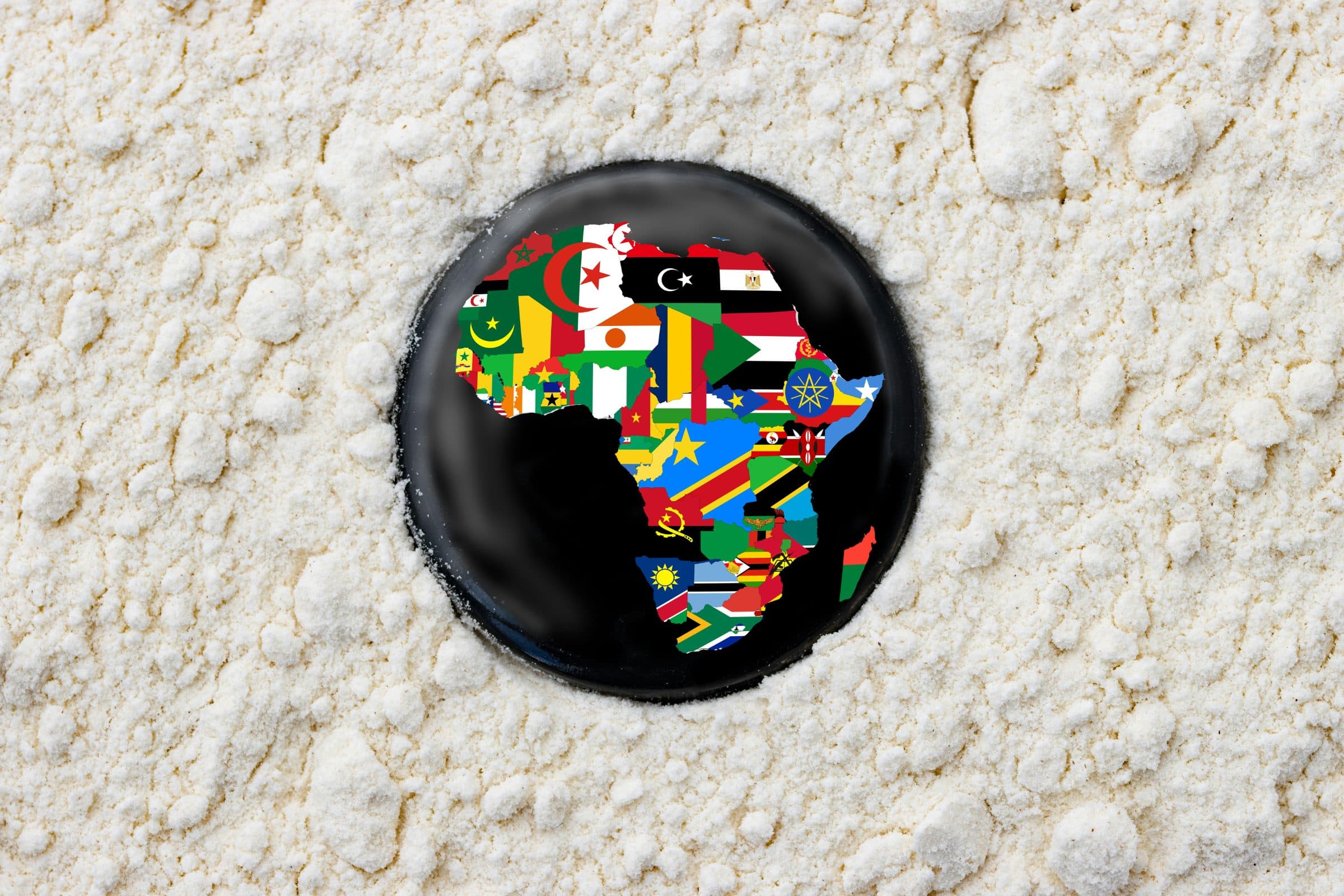
The whole time I was in primary and secondary school, I had never noticed how small Africa looked on the world map. Let me not even talk of ‘‘questioning’’, how would I have even questioned something I barely even knew? I mean, I was not ignorant, but I just never questioned what I was told. Then, nobody sat me down to explain that the map itself was lying. It just was what it was, and I believed it, the way you believe anything you're told before you're old enough to ask questions. So when I heard that the UN voted 164 to 1 to finally correct this, encouraging the world to use maps that actually show Africa's true size instead of the 450-year-old Mercator distortion, I felt something close to relief. Finally.
I heard the United States was the only country that voted against it, and I won't lie, it vexed me. Honestly, the US reason does not sit right with me.
Let me be fair for a second, because I don't want to rant and rant. The US didn't say Africa isn't actually bigger than it looks on the map. They can't say that, because it's just true, Africa is roughly fourteen times the size of Greenland, and nobody serious disputes that. What they said instead was that the resolution was pushing a "radical ideological project," that discussing "reparations" and "cognitive justice" was somehow mocking the UN's purpose, and that the institution should focus on "more pressing issues." And honestly? That answer feels like a deflection to me. Like someone who gets caught doing wrong and instead of addressing the actual thing, starts arguing about your tone, in other words, ‘gaslighting’. Nobody is disputing that Africa is big. What's being disputed is whether it's worth admitting why the map made us look small for so long, and whether that history is worth naming out loud. And if you ask me, refusing to even say the word "reparation" while agreeing that the harm exists is its own kind of statement.
This is not just a map; it is more of how we Africans see ourselves. Here's the part that actually hurts, if I'm honest. This was never really about cartography for its own sake. It's about how a whole continent of people grew up quietly believing they were smaller, less significant, less central to the world than they actually are, because that's what the map taught us, every single day, without ever announcing itself as a lie. And it's crazy, genuinely crazy, how deep that runs. I've watched Africans internalise that same smallness. Not just in geography, but in how we sometimes talk about ourselves, our place in global conversations, and our confidence walking into rooms where the "big" countries sit.
You don't grow up seeing your home constantly minimised on every wall, every textbook, every news graphic, and come out the other side unaffected. The map wasn't just wrong about land mass. It was quietly teaching generations of us where we supposedly belonged in the world's pecking order. And some of us believed it, hook, line, and sinker. "Other issues matter more", this is not even the argument that you may think. I know someone will say, "But there are wars, there's hunger, there's real suffering, why is the UN wasting time on a map?" And honestly, I agree that other things are more urgent in the moment. No one is saying we should fix the map before we feed a child or resolve a conflict. But that's not actually the choice on the table. The UN can walk and chew gum at the same time. Passing a resolution about correcting a well-known cartographic lie doesn't stop anyone from working on conflict or hunger in the same breath. Using "there are bigger problems" to dismiss this one is just a comfortable way to avoid sitting with an uncomfortable truth: that something this basic was wrong for centuries, and that correcting it still apparently bothers people.
In essence, what am I saying? This resolution doesn't force anybody to throw away Mercator. It doesn't touch a single border. It just says, when you're teaching size, teach the actual size. That is it. That's the whole ask. And even that modest, factually correct ask was too much for one country to support. I'm not naive enough to think a UN resolution redraws how the world sees Africa overnight, or how we Africans see ourselves. Confidence and self-perception don't fix themselves the moment a new map goes up on a wall. But I know this much: for 450 years, we've been looking at a lie and calling it geography. Getting that right, finally and plainly, on paper is not a distraction from the things that matter. For me, and for a lot of people who look like me, it's the beginning of getting our place, our weight, and our story back in proportion.